
I am not a doctor or expert in infertility, nor do I have personal experience on the matter. I love to read and write about what I learn. I also love to recommend a good book when I see one.
I tend to gravitate towards more integrative and holistic medicine when I need anything. But you should always ask your doctor before trying any alternative supplements or treatments.
But first, let’s relax, because most of what you will read below is natural, healthy recommendations that are good for everyone and would definitely not hurt your fertility journey; just the opposite, it will help (still, speak with your doctor about it).
Plus some book recommendations on the topic, because when it comes to knowledge, my friend, more is more.
This is what I have read and highly recommend:
Disclaimer: The links below are affiliate links. As an Amazon Associate, I may earn a commission on qualifying purchases.
Hormone Intelligence: The Complete Guide to Calming Hormone Chaos and Restoring Your Body’s Natural Blueprint for Well-Being by Aviva Romm
WomanCode: Unlocking Women’s Health — A Holistic Approach to Hormone Balance, Fertility, and Wellness Through Nutrition and Lifestyle by Alisa Vitti
⚖️ Modern + Natural Treatments

As anyone who has been through it can attest, medical fertility treatments are extremely costly and stressful and not always successful.
An Israeli study done on women undertaking IUI ( intrauterine insemination) who were also treated with acupuncture and Chinese herbs saw an increase in conception rates compared to the women who did not include the natural treatments.
Adding natural methods such as acupuncture, herbs, and a nutritious diet may improve outcomes by increasing blood flow to the uterus and supporting hormonal health and fertility.
The books I mentioned above are laden with research and studies on the effectiveness of their recommendations; however, I will keep it short and sweet and give you only practical advice. I highly recommend the books if you want to know more about the subject.
🧘♀️ Lifestyle & Practices
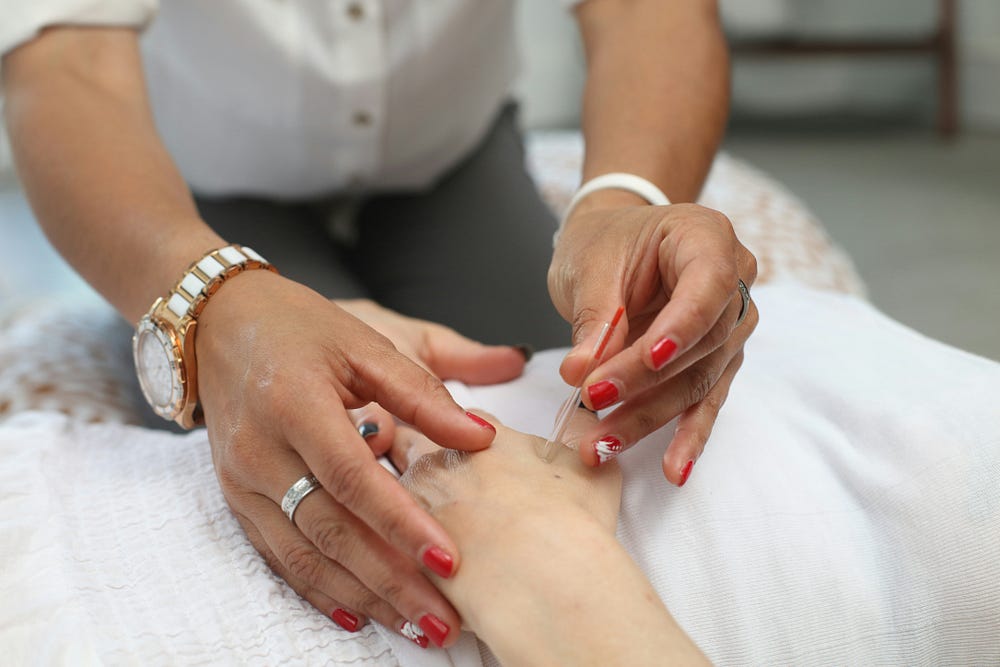
Yoga and acupuncture improve blood flow to the pelvic area and support reproductive health.
Ayurvedic medicine combines diet, yoga, and herbs to improve circulation and fertility.
Higher levels of stress are believed to double the risk of infertility, to reduce egg fertilization and in extreme cases, to block ovulation.
Aim for a stress-less lifestyle if the idea of being stress-free is stressing you out ( That’s a lot of stress for one sentence!).
Let’s be honest, very few of us can afford a stress-free existence. So lower your stress as much as possible. Actively pursue stress-relieving activities, avoid people and situations that add stress to your life, sleep and eat well. You will not only be healthier and happier, but you will also boost your fertility.
The good news is that calming techniques have a very high success rate in improving fertility, and there are many options, including meditation, breathwork, therapy, massage, creative outlets, and more.
🍯 Essential Vitamins and Minerals to support fertility
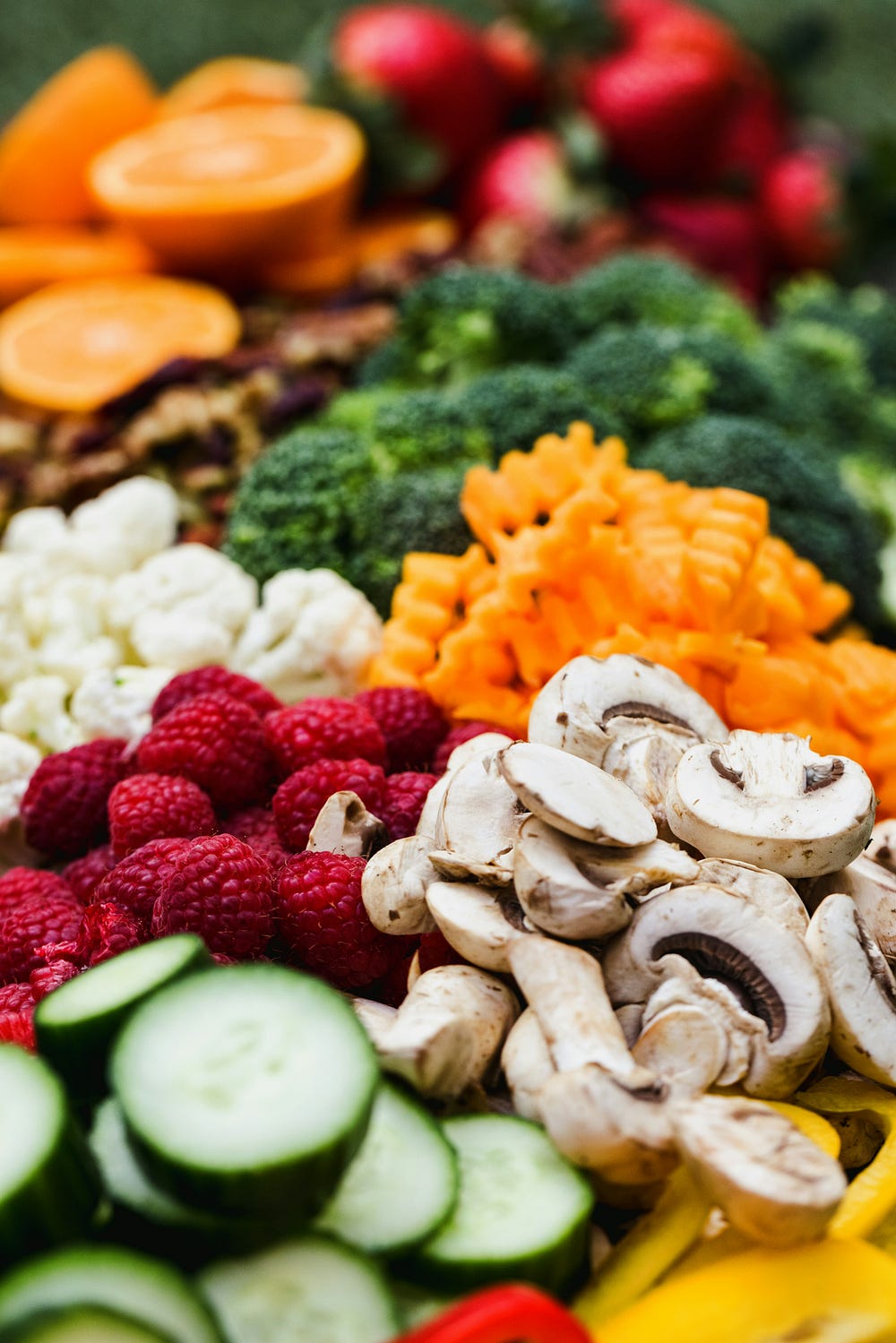
- Zinc & folic acid: Zinc is vital to the production of testosterone and sperm, and its effects are boosted by a healthy dose of folic acid. Foods rich in zinc are lean beef, dark turkey meat, eggs and lentils. For folic acid, feast on leafy greens and whole grains.
- Omega — 3: boosts fertility.
- Vitamin C: Can stimulate ovulation (but too much may suppress it).
- Vitamin E & B12: May improve sperm count and movement.
- Arginine and selenium support healthy sperm.
🌸 Herbal & Natural Remedies
- Royal jelly is an ancient Chinese remedy rich in vitamins, minerals, amino acids and estrogen — like hormones that may support fertility in both sexes.
- Siberian ginseng: Helps reduce stress and regulate hormones and menstrual cycles.
- Vitex (Chasteberry): Balances hormones and supports ovulation, lengthens the luteal phase and corrects progesterone deficiency. Also helps regulate the menstrual cycle after the pill. It should be taken for 3 to 6 months.
- FertilityBlend: a mix of chasteberry, green tea, L-arginine, folate, B vitamins, magnesium, selenium, iron, and zinc.
- Raspberry leaf tea: Strengthens the uterus and improves blood flow, possibly reducing miscarriage risk.
- White peony is a commonly used herb to help regulate ovulation.
- Adaptogens (including shatavari) may help reduce stress, balance HPA axis function and hormone levels, and support fertility.
 Top ten fertility-boosting foods
1. Buckwheat: This grain drops insulin and testosterone levels and increases rates of ovulation.
2. Leafy greens: Spinach, kale, collards, arugula, swiss chard, lettuce, etc. They are good for your entire body, but for the sake of fertility, leafy greens are loaded with folic acid, which is important for healthy ovaries and reduces the risk of spinal cord and brain defects in infants. They are also rich in vitamin E, magnesium, and calcium, which support healthy menstrual cycles.
3. Chickpeas: One serving of chickpeas will provide enough to maintain healthy levels of vitamin B6, which are essential for the production of healthy progesterone levels for conception, as well as improving sperm and egg development.
4. Honey: All honey, but especially bee pollen and royal jelly. Bee pollen can help stimulate ovarian function when trying to conceive.
5. Eggs: The vitamin D in the eggs is essential in maintaining healthy ovulation. Eggs are also the richest source of choline, a vital nutrient for brain development. You can eat up to 2 eggs a day.
6. Sunflower seeds: Rich in zinc, they help your body to use estrogen and progesterone and also help with DNA production to support egg quality.
7. Salmon: The omega-3 fatty acids will help regulate hormones and ovulation, while increasing cervical mucus and blood flow to the reproductive organs.
8. Avocados: They are rich in monounsaturated fat, which has been shown to improve IVF outcomes.
9. Cinnamon: Contains a compound that makes fat cells more responsive to insulin, which helps with ovulation.
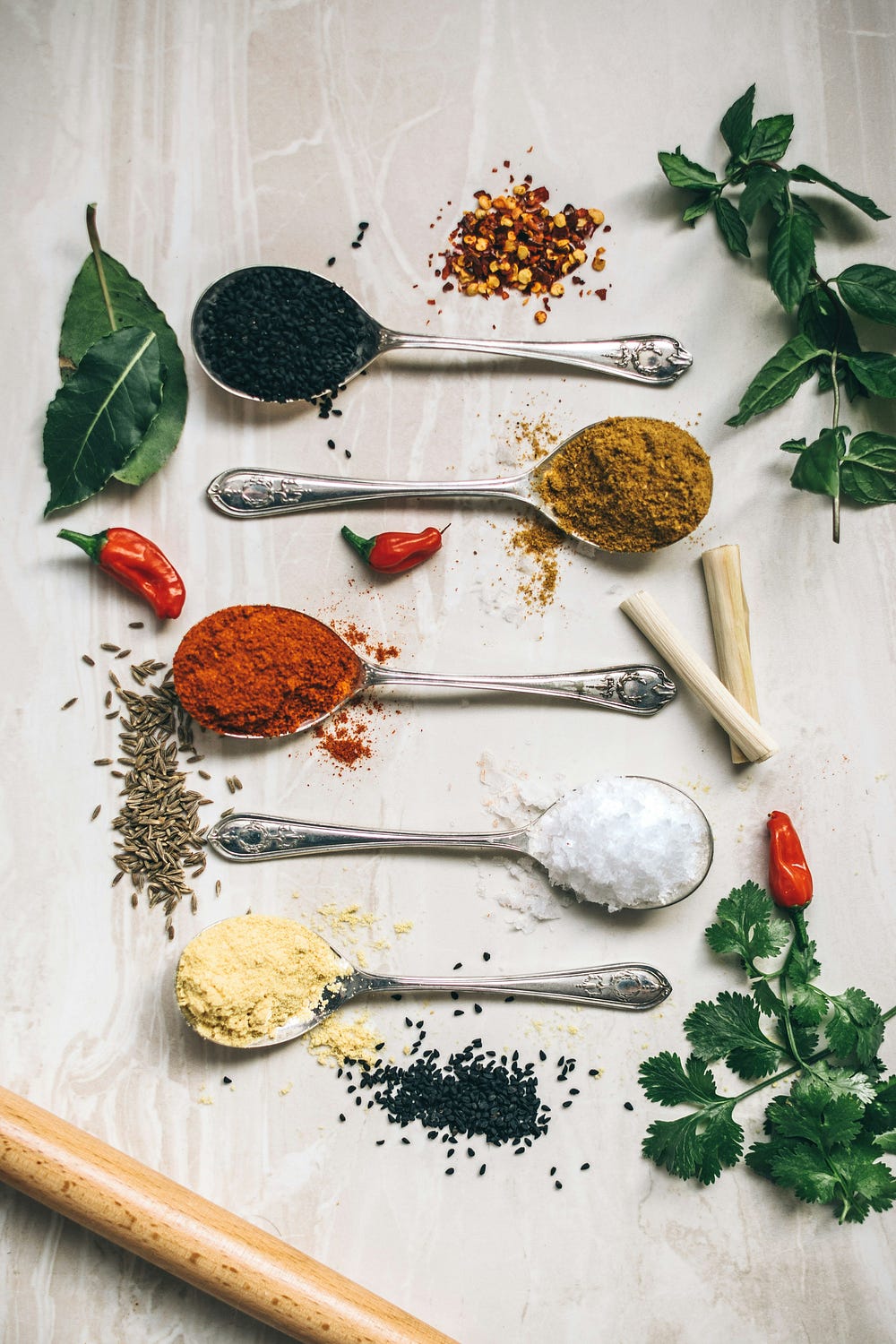
10. Turmeric: It helps boost the health of your reproductive system, and according to Chinese Traditional Medicine, it will also help, along with other spices like coriander, cumin, cardamom, and black pepper, to create a drier, warmer environment that is ideal for conception.
 12 fertility-boosting habits

1. Believe in your body
Believe your body will conceive and deliver a healthy baby. Belief and faith in a positive outcome are powerful creative forces that affect not only our minds but also our bodies.
2. Shift the focus

This may sound counterintuitive and even contradict the previous point. But one thing I learned ( it took me a VERY long time to) is that two opposites can be simultaneously true.
Did it ever happen to you that when you wanted something so badly, it didn’t happen, and when you relaxed and forgot about it, it happened?
According to Dr. Aviva Romm, this is one of her best fertility tips — shift the focus from “trying to get pregnant” and try to live in the moment and let it happen.
3. Sleep for more than 7 hours a night
Good sleep habits will promote overall health and vitality, including hormonal health and fertility.
Sleeping less than 7 hours can affect ovulation and egg quality, worsen pelvic pain during intercourse, and interfere with blood sugar problems with PCOS.
Sleep significantly affects testosterone production. So make sure you and your partner are getting plenty of sleep.
Sleep like a baby to make a baby.

4. Water
Water is life-giving.
Make sure to drink plenty of water to improve cervical mucus.
5. Avoid refined and processed foods
It is extremely important to balance your blood sugars and insulin sensitivity. Women who consume diets laden with empty carbs and processed foods are at double risk of ovulatory infertility.
6. Coffee and alcohol
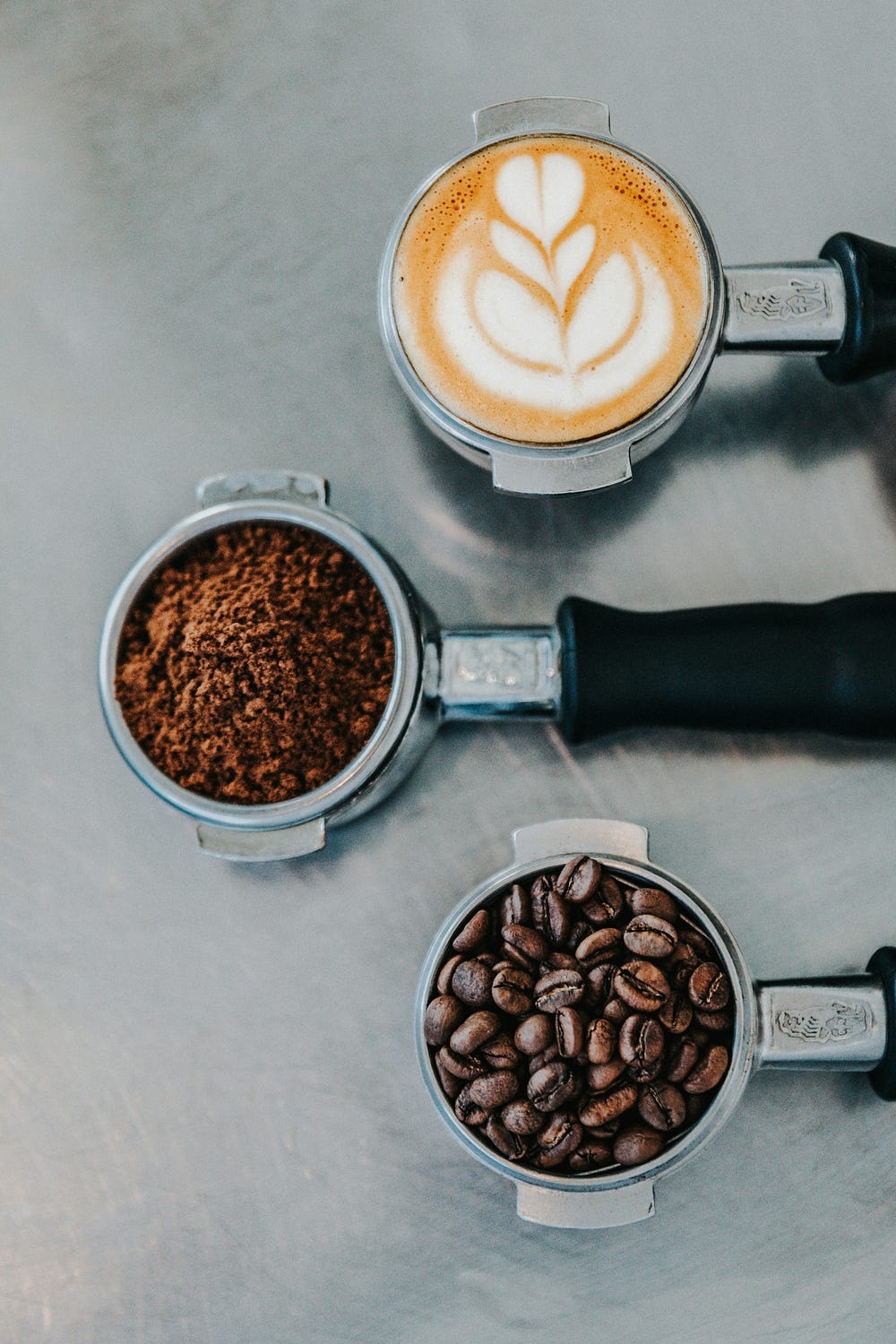
There is no evidence that a cup of coffee here and there or a glass of wine affects infertility. But I do remember reading somewhere that caffeine is not good for hormonal health.
However, like everything in life, balance is key.
Dr. Aviva Romm suggests keeping your caffeine intake below 100 mg a day.
7. Say no to sodas
According to a study done at Harvard, women who drank 2 or more sodas a day were 50% more likely to experience ovulatory infertility than women who drank less than 1 soda a week.
8. Clean living
Dr. Romm is a strong advocate of a clean, green lifestyle as a foundational component of any fertility journey. Choose to consume only clean foods, skin care products, cleaning products, etc.
9. Achieve a proper weight
When it comes to fertility, the proper weight is key. Being underweight heightens the risk of anovulatory infertility, and being overweight ( BMI of over 25) may hinder fertility as well.
10. Exercise
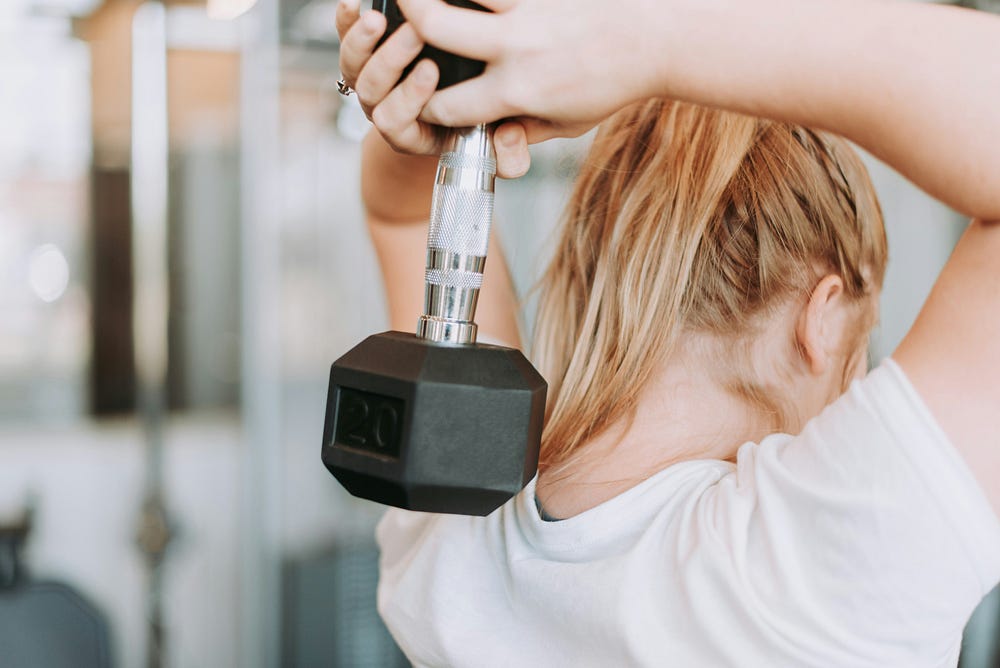
Too much or too little exercise can interfere with fertility.
1 to 5 hours of moderate exercise a week can improve your likelihood of conception by 20%.
11. Take good care of your teeth and gums
Gum inflammation can be a factor in infertility and miscarriage.
12. Do not smoke
Smoking reduces fertility rates by 60%.

I hope and pray that the knowledge in this article will help you conceive and nurture your cute little bundle of joy.
Until then,
Keep strong and healthy.