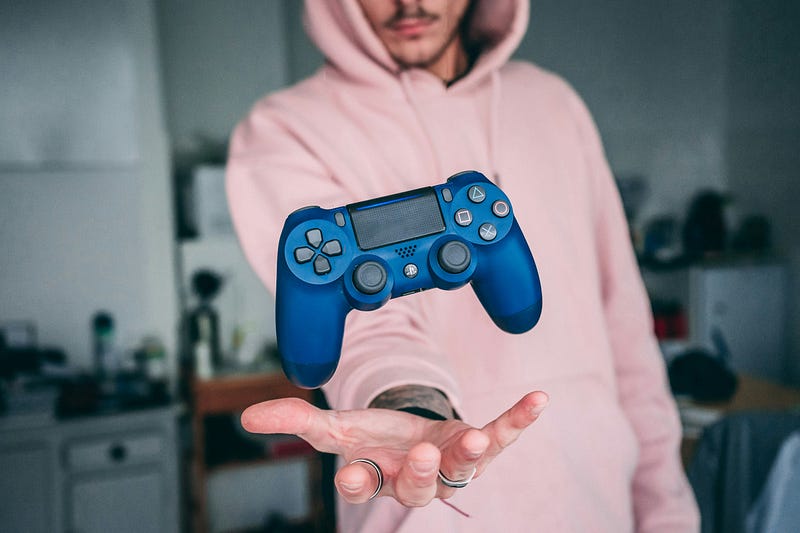
I am blessed with four sons.
One of them doesn’t play video games. Thank goodness!
Two of them ( can you guess? the younger ones, who still listen… sometimes!) play somewhat within the normal limits of a 21st-century child living in a country where the temperature is below zero for a good part of the year.
But my beautiful teenage son, well… God bless him, he plays too much, and it drives me crazy.
Desperate to find solutions, I picked up How to Raise a Healthy Gamer by Dr. Alok Kanojia, and if you feel the same way as I do, this article will be helpful (mainly as a reminder to yours truly when all my parenting hacks go out the window).
Before we dive in, I need to confess something: one of my biggest regrets as a parent was letting (did I even let them?) my children play video games. I wish with all my heart that I had not exposed them to it.
If you have young children, you still have that choice, and I am jealous of you. Use it wisely.
What does gaming do to your child?
Gaming suppresses activity in the brain’s emotional center (the amygdala), reducing feelings like fear, stress, sadness, and anxiety.
That sounds amazing. Your child will feel calm and relaxed.
However, the emotional relief won’t last too long.
And worse, the young brain learns that it can escape discomfort, and any activity that minimizes emotional discomfort tends to become addictive.
The addicted gamer ends up using video games not only for occasional emotional relief but as a tool for emotional regulation, having little to no experience with other ways to self-regulate.
And the saddest part is that, over time, the ability to manage negative emotions without gaming them weakens.

When a teenager lacks emotional coping skills, his suppressed feelings may surface in other ways (e.g., irritability, tantrums, withdrawal, cynicism), and I suspect that poor emotional regulation is also the root of other sorts of addictions, like drinking and smoking.
Gaming can create a dangerous cycle: avoid problems → play to escape → fall further behind → feel worse → play more.
This is just the tip of the iceberg. There are many other reasons why excessive gaming is harmful, but this is the reason that stuck with me, and I have already returned the book.
So bear with me.
What can you do to help your child?
The first step
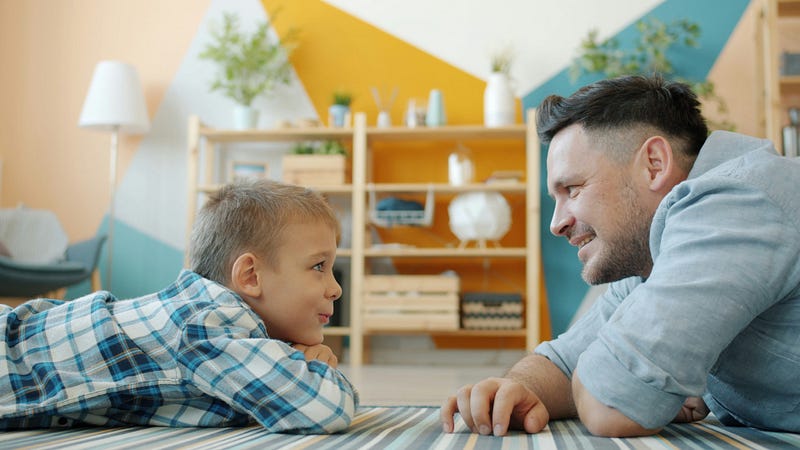
If I learned one thing from this book, it is that I need to talk to my son more.
I mean, we all know it, but do we really KNOW it?
We need to talk to our children more, ask questions, be curious about who they are becoming, what is on their minds, and what their aspirations, fears, and worries are.
We need to talk more about gaming itself. Asking questions like, What does gaming do to you? What is your favourite thing to play? Why?
Meet him where he is at.
Talking to your child is not all. We need to learn to be active listeners. I am a terrible listener, and I know it. Only when we listen with an open mind will our children want to talk to us.
Now, this first step is not a to-do list item to check off and move on. This step — open, non-judgmental, reflective conversations — is a first step and is also part of every other step of the way.
The second step

After your child feels heard and understood, it’s his turn to listen.
You will express what you will need from him. For example, I can tell my son, I want you to have fun and all, but this is what I need from you: homework has to be done, you need to participate in some physical activity, and you need to do your chores.
How can we go about it so we are both happy?
The third step

After many conversations, you will better understand your child, and he will also see where you are coming from.
You will make an agreement with your child. It is not a one-sided, I-am-the-man-of-the-house type of agreement. Both you and your child ( who is probably a teenager taller than you by now) will agree to it. Tweak it as much as needed until you are both satisfied.
Your agreement should start with small, achievable, and clear goals and boundaries. You want your child to succeed, so help him do so the same way adults do: include consequences and rewards.
Do not establish boundaries you cannot reinforce. Make sure the agreement reflects your lifestyle and other commitments. You will need to be present to ensure it is carried out, especially at the beginning.
If the plan fails, continue talking to your child to find out why and what could be done to improve it.
Even when all seems well, check in on your agreement from time to time to make any necessary adjustments and to make sure you both stay on track.
The last step

Last but not least… I don’t think it was mentioned in the book, but after 18 years of parenting, I know this:
Count your blessings, celebrate your wins, and do so with your child.
No need to throw a party or to buy him the newest phone ( totally defeats the purpose of all your work), but take him out and spend time with him, connecting, talking and listening.
It will keep your child away from gaming for more reasons than one.
Disclaimer: This post contains an affiliate link. As an Amazon Associate, I earn commission for qualifying purchases.
And away from many other harmful behaviours and addictions to boot.