Phone use. Social Media. Gaming. Caffeine. Compulsive eating. Workaholism. Excessive exercise. Shopping. Alcohol. Pornography. Sex. Cannabis. Cigarettes. Gambling. Prescription drugs. Illegal drugs.
Most of us engage in some type of potentially addictive behaviour.
Not all of us suffer the nearly irreversible devastation many addictions cause.
But all of us have heard, witnessed or been affected by addiction in one way or another.
Dr. Gabor Mate writes of his experience of 20 years treating patients afflicted by addiction in the brilliant book, In the Realm of Hungry Ghosts: Close Encounters with Addiction.
This article won’t do justice to the incredible ingenuity, expertise, humanity and vulnerability that oozes from the pages of this book.
If you haven’t yet grabbed a copy — through your library or the link above — keep reading for what I believe is a genuinely life-changing insight.
The war on drugs
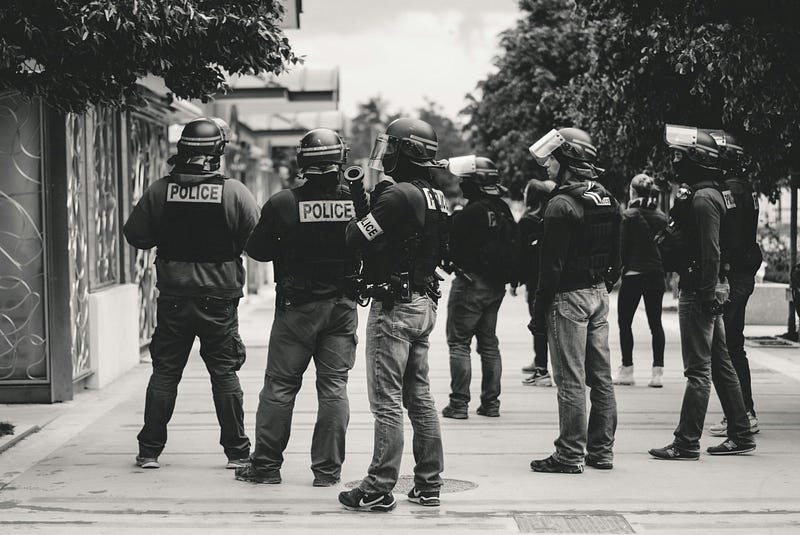
Since the 1970s, governments have been waging a war on drugs. Its effectiveness is debatable, especially given that it is estimated to have cost the U.S. government $1 trillion.
The term “war” conveys that drug addiction is very bad. Only harsh and violent efforts could control the disease, which goes along with other negative implications, prejudices and stigmas against individuals stricken by severe drug addiction ( or other highly destructive substances or activities), placing them at the bottom of society as hopeless, invalid, immoral and dangerous people.
Dr. Mate suggests a different path.
Compassion. Kindness. Understanding. Humanity.
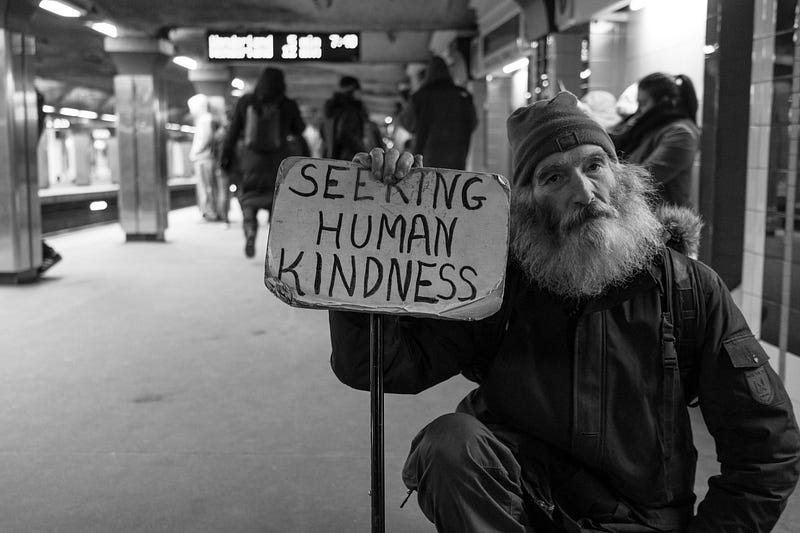
I am sure you have heard this more than once: “ Don’t give money to people on the streets, they will use it to buy drugs.”
Yes, maybe they will. Maybe they will buy the one substance in the world that makes them forget their crushing pain for a few more hours.
A pain that is so acute, they are willing to do anything to numb it.
Maybe they manage to collect the money for it ( this time) and won’t resort to prostitution, stealing, or worse social behaviours.
But maybe they will buy food. Or a winter hat. Or socks.
They are humans with basic physical needs for food, water, and shelter, like all of us.
I am in no way condoning the use of drugs. You could hardly convince me to take Tylenol, even if my head was pounding.
But it’s not about my (very lucky) reality. It is about the crippling reality of millions of people around the world.
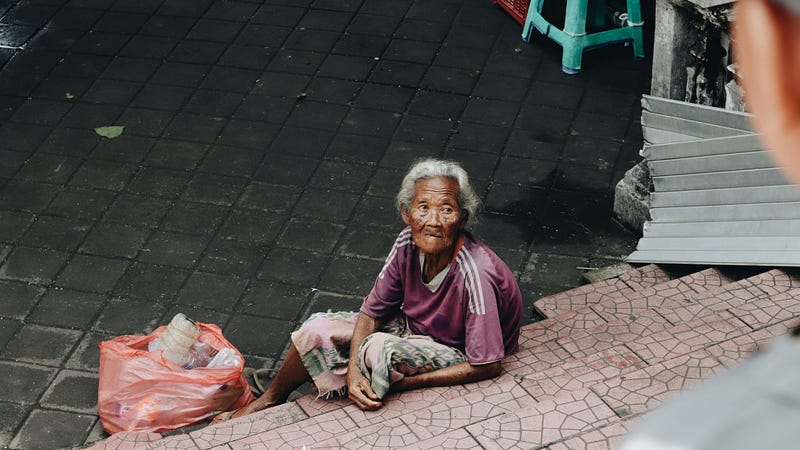
Now, let’s say you still don’t think they deserve your hard-earned dollar coin and can’t be bothered to play guessing games with that precious dollar’s destiny.
You can give them an apple, a granola bar, a bottle of water, whatever you have at the moment.
Ten times out of ten, they are very grateful to receive it.
Only once did someone refuse my quarter. You can read that story here.
Still got nothing to give?
What about a smile? A nod? Good morning! Stay safe! Stay warm!
Anything that says, I see you. I wish I could do more, but I see you.
Do children deserve our compassion?
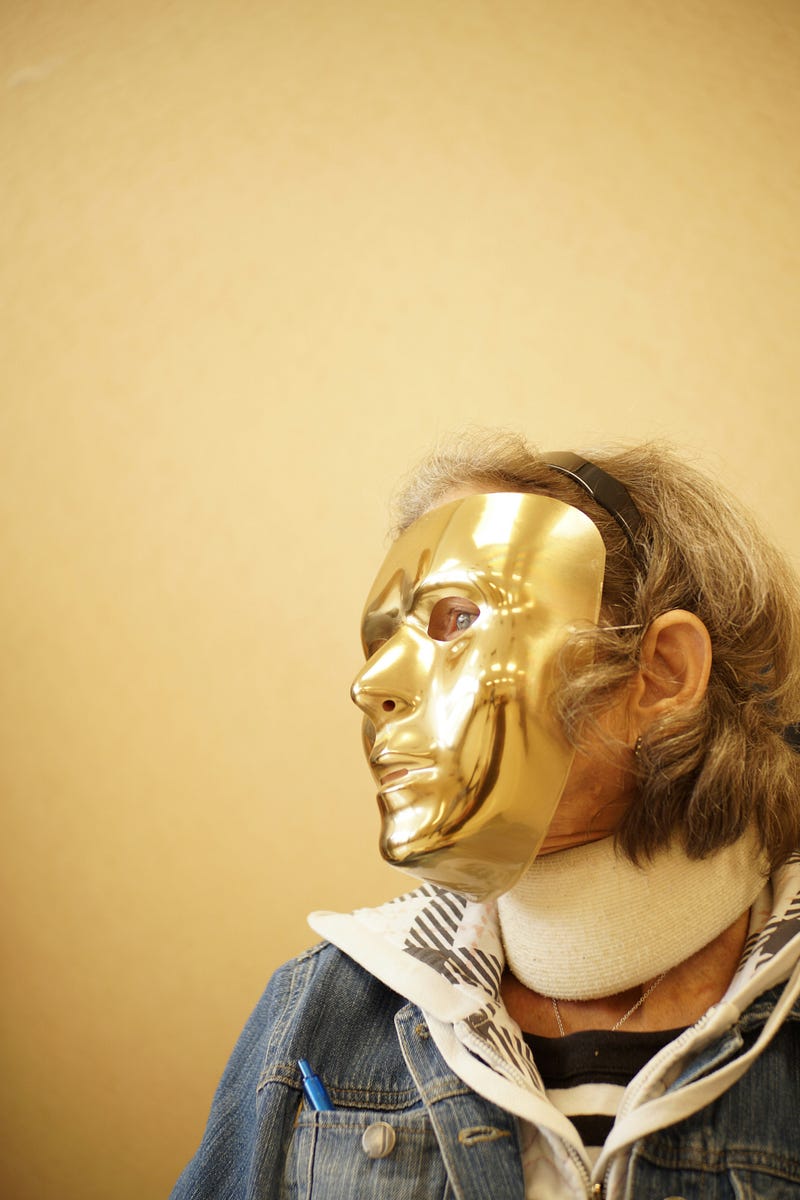
If that scruffy woman with a cigarette dangling from her mouth doesn’t turn on your compassionate instincts, perhaps imagining the little girl she was 45 years ago, sexually abused, beaten and silenced will.
Many severely abused individuals suffered harrowing, traumatizing childhoods.
Addiction often begins as a form of temporary relief — an escape, a costly bubble of solace — but it is dysfunction and desperation that remain for the long haul.
Why is the stigma against addicted individuals so strong?
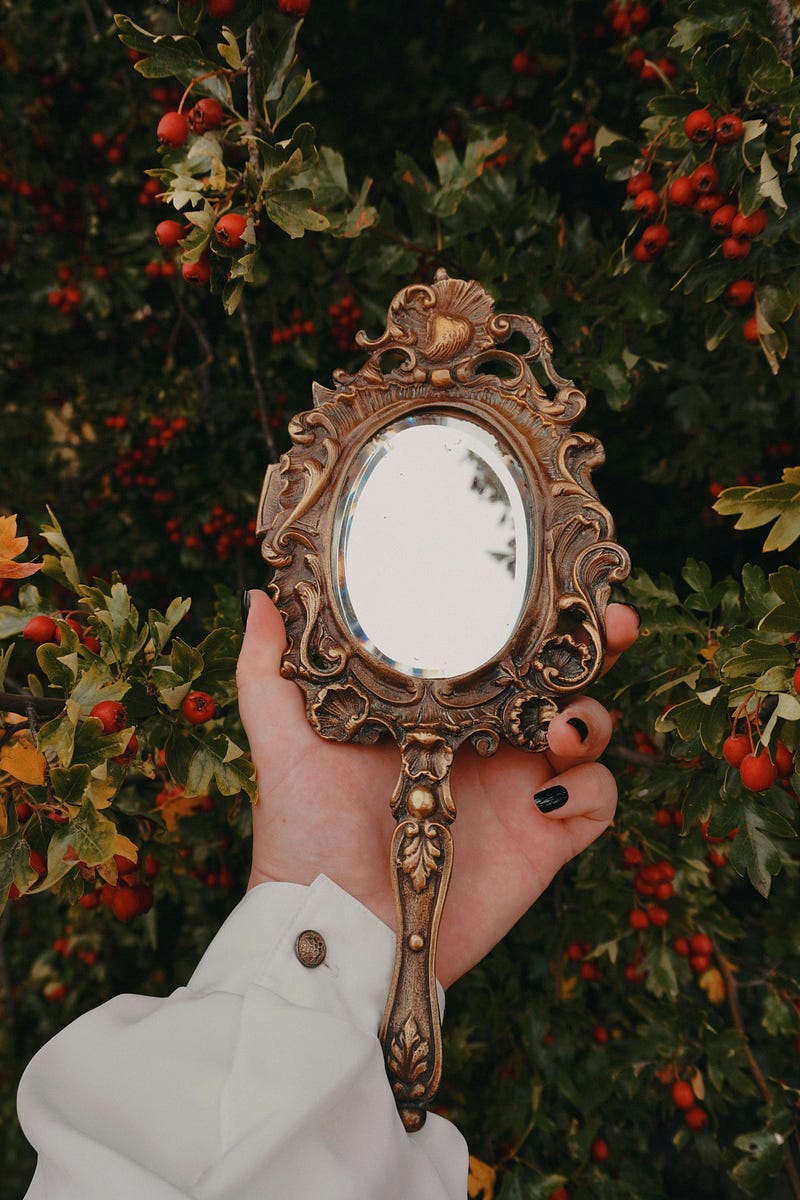
Every encounter teaches us something. Like a mirror, life reflects to us what we might otherwise never see.
If you struggle to see another’s pain, perhaps you are also avoiding your own.
Maybe you are also numbing your aching heart, just with a different kind of poison, called iPhone, Netflix or Chanel.
If you deny another person’s humanity, what parts of yourself are you suppressing?
It is safer to keep our distances (especially emotionally) than to confront our own biggest failures and imperfections.
In what ways are we similar to the addict on the street or the addict hiding behind a screen?
Let’s not find out, lest we find ourselves.